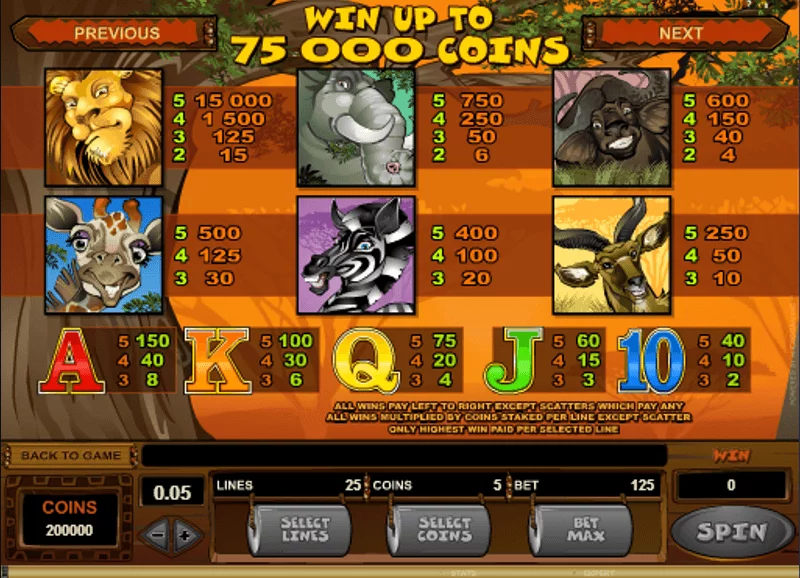

When you interact with the Mega Moolah Slot, consider about how Stoic philosophy can influence your experience. Instead of pursuing jackpots, reflect on how each spin offers a opportunity for personal growth and insight. This approach helps you manage the unpredictable nature of gaming, allowing you to develop resilience. So, how can you implement these Stoic tenets to enhance your enjoyment and approach to this well-known slot game? Let’s delve into this more deeply.
Key Takeaways
- Embrace acceptance of results in Mega Moolah; wins and losses don’t define your value as a player.
- Focus on strategic choices and responses rather than the uncertainty of the game.
- Practice mindfulness during gameplay to boost your pleasure and engagement with each spin.
- Establish practical anticipations about jackpots; keep in mind the odds and enjoy the experience beyond winning.
- Develop resilience by seeing each defeat as a chance to learn and evolve mentally in your gaming experience.
Comprehending Stoicism in Gaming
While you might think of gaming as a mere chance for entertainment, integrating Stoicism into your approach can enhance your perspective.
By adopting key Stoic tenets like acceptance and resilience, Slot Mega Moolah, you can manage the highs and lows of gaming with a equilibrated mindset. Concentrate on what you can manage: your decisions, strategies, and responses to outcomes.
When fortune isn’t on your side, keep in mind that obstacles are temporary. Instead of chasing defeats or getting disheartened, you’ll develop patience and clarity, resulting in more intelligent gameplay.
Stoicism instructs you to value the process rather than fixate over the outcomes, enhancing your overall pleasure.
In this way, gaming goes beyond simple fun, turning into a meaningful practice for personal development and emotional stability.
The Psychological Terrain of Mega Moolah Slot
The excitement of Mega Moolah Slot grabs players with its lively graphics and alluring jackpots, creating an emotional experience that ranges from expectation to elation. As you spin the reels, eagerness builds within you, each sound heightening your excitement. You can feel your heart race, especially during those moments when the potential for a significant win looms large.
However, the emotional ride doesn’t stop there. You might also experience letdown with each near-miss, reminding you of the game’s uncertainty.
Yet, amidst these ups and downs, there’s a fellowship among fellow players, sharing in the collective experience, which can be both encouraging and involving. Ultimately, Mega Moolah draws on your emotions, making each play a unique journey through highs and lows.
Applying Stoic Principles to Gameplay
Incorporating Stoic principles into your gameplay can transform your experience of Mega Moolah Slot, allowing you to maintain a steady mindset throughout the emotional highs and lows.
By focusing on what you can control and letting go of what you can’t, you’ll enhance your enjoyment and lessen frustration.
Here are some Stoic strategies to implement:
- Recognize Impermanence
- Practice Mindfulness
- Set Realistic Expectations
- Cultivate Gratitude
- Learn to Detach
Cultivating Resilience Through Wins and Losses
As you navigate the uncertain nature of Mega Moolah Slot, you can develop resilience by embracing both wins and losses as essential parts of the experience. When you secure a win, rejoice that moment but remain conscious that it’s part of a larger journey.
Just as significantly, don’t be disheartened by losses; view them as chances for growth. Each spin instructs you something new, shaping your emotional response and strategies. By accepting the ups and downs, you’ll build a mindset that can tackle whatever comes next.
Balancing Expectation and Reality in Online Slots
Finding equilibrium between expectation and reality in online slots is essential for an satisfying gaming experience. When you play, it’s easy to get caught up in hopes of achieving big wins. However, staying level-headed helps you keep realistic expectations.
Here are some tips to keep in mind:
- Understand the odds
- Set a budget
- Enjoy the thrills
- Take breaks
- Keep emotions in check
Frequently Asked Questions
What Are the Origins of Stoic Philosophy?
Stoic philosophy originated in ancient Greece around the 3rd century BC, established by Zeno of Citium. It highlights rational thought, self-control, and virtue, assisting you to manage life’s challenges with serenity and resilience.
How Does Mega Moolah Compare to Other Slot Games?
Mega Moolah distinguishes itself with its enormous progressive jackpots and exciting gameplay when compared to other slots. You’ll find one-of-a-kind features and colorful graphics, making it a popular choice among players seeking exhilarating experiences. Enjoy the action!
Can Stoicism Help in Other Forms of Gambling?
Yes, stoicism can certainly help in other forms of gambling. It educates you emotional resilience, enabling you to deal with losses better, keep focus, and make rational decisions instead of getting carried away in enthusiasm or frustration.
Are There Specific Quotes From Stoic Philosophers Relevant to Gaming?
Yes, quotes like “Man is affected not by events, but by the views he takes of them” encourage you to preserve perspective in gaming, while “The obstacle is the way” teaches resilience amid losses.
How Can I Learn More About Stoic Philosophy?
You can learn more about Stoic philosophy by studying primary texts, like those by Marcus Aurelius and Seneca. Participating in online forums or local study groups can also broaden your understanding and associate you with fellow enthusiasts.
Conclusion
Embracing Stoic philosophy while playing Mega Moolah can alter your gaming experience. By paying attention to what you can control and appreciating each spin, you foster resilience and a better perspective on wins and losses. Remember, it’s not just about the jackpot; it’s about enjoying the journey and learning from each moment. So, keep a steady mindset, and let gratitude mold your gameplay—ultimately, it’s the experience that defines your enjoyment, not the outcomes.