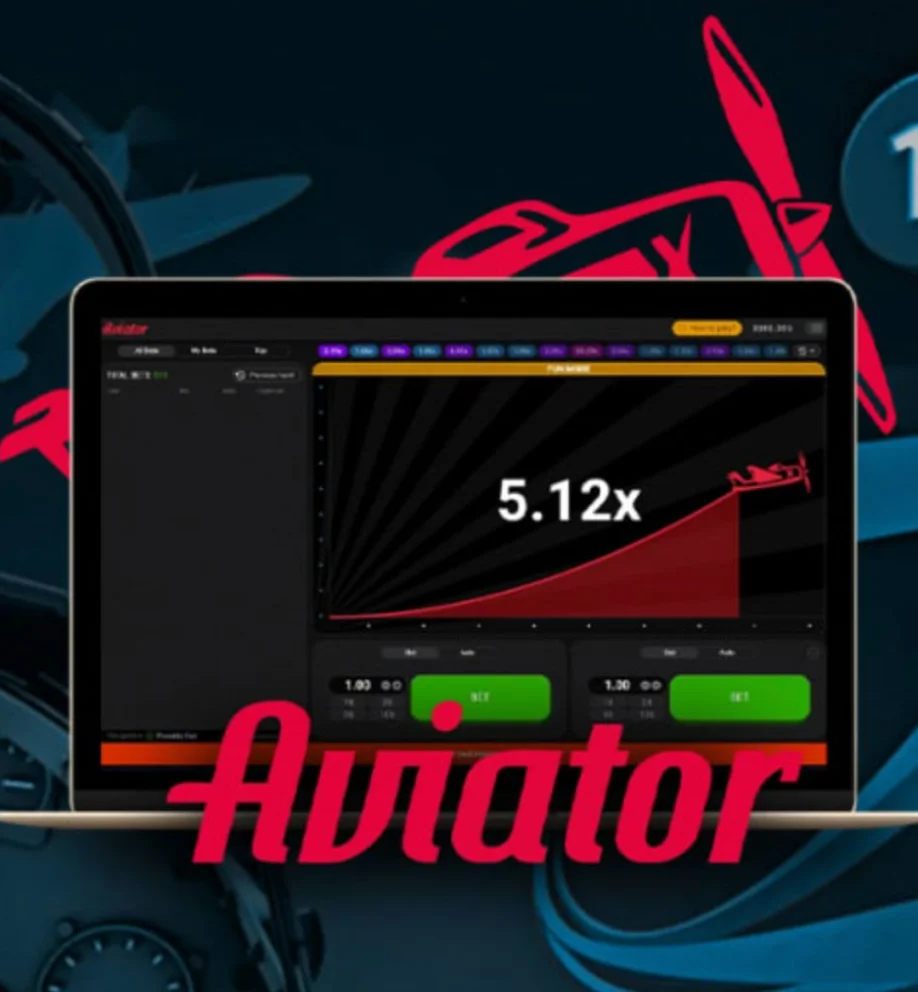
The ‘Drive Through Queue Aviator Games Fast Food Wait in UK’ is a intriguing look at betting psychology in real time. This Aviator game variant uses a fast-food drive-through queue theme. It’s not just a reskin. It applies the core crash game mechanics and wraps them in a scenario we all know: waiting for food. The UK market is ideal for this. With high mobile use and a strong betting culture, operators like Aviator Games can lessen the entry barrier. They turn the tension of a multiplier crash feel as routine as waiting for an order. This analysis will examine the mechanics, psychological hooks, and player experience. We’ll distinguish real innovations from surface-level branding.
Emotional Triggers and Industry Context
The drive-through theme enhances emotional triggers already in crash games. It employs the ‘near-miss’ effect. In the original Aviator, cashing out at 2.0x just before a crash at 2.1x appears like a near miss. In the drive-through story, this is like getting your order just before the kitchen runs out of burgers. The theme offers that near-miss a tangible, relatable context, which can prompt more play. The theme also standardizes the quick, repetitive betting cycle. As one drive-through order completes, another car adds to the queue. This reflects the constant, round-by-round nature of the game, forming a fluid, almost hypnotic loop of anticipation and resolution.
The United Kingdom is a distinct and developed market for online games like this Aviator variant. The UK Gambling Commission (UKGC) imposes strict rules that demand fairness, transparency, and responsible gambling measures. For ‘Drive Through Queue Aviator Games,’ the provably fair algorithm is a compliance must. UK players are usually savvy. They anticipate high-quality graphics and novel mechanics, and they’re protected by tools like deposit limits and self-exclusion. This landscape motivates developers to contend on creativity and user experience within moral boundaries. A well-executed theme becomes a critical differentiator.
Also, the UK’s national link to betting and fast-food chains makes this theme highly relevant. The game draws into a shared, everyday experience. It diminishes the assumed complexity for casual users who may find traditional casino imagery intimidating. Operators hosting this game must adhere to the UK’s demanding advertising standards. These ban targeting vulnerable people and emphasize responsible play. So, while the theme is cheerful, its UK implementation is serious business. Success relies on harmonizing engaging entertainment with strict compliance.
Common Questions: Drive-Through Line Aviator Games
Is Drive-Thru Queue Aviator game distinct from the original Aviator?
Absolutely not, the core game engine and mathematical model are the same. Merely the visuals and sounds differ. Rather than an airplane, the multiplier ties to a car in a drive-through queue. The underlying algorithm for the crash point and the return-to-player percentage remain identical. It’s a thematic reskin intended to provide a fresh story experience without altering the basic rules, odds, or provably fair mechanics of the original Aviator crash game.
How do I check the game is fair?
Regulated versions use a provably fair system. Following playing, you can go to a ‘Provably Fair’ or ‘Fairness’ section, usually in the game menu or on the operator’s site. In that section, you provide the server seed, your client seed, and the round number to generate a hash. This verifies that the crash point was predetermined and not changed. Reputable UK operators also show a certificate from an independent testing agency like eCOGRA. These agencies examine the game’s random number generator and published RTP.
What kind of is a good strategy for this Aviator game variant?
You can’t predict or influence the crash point; each round is an independent random event. The best approach is strict bankroll management. Establish a budget for your session and follow it. Methods like the ‘cash-out ladder’ can secure partial profits at different multipliers. Most importantly, never run after losses. Realize that the house edge is always there. Consider any money spent as the cost of entertainment, not an investment with expected returns.
Am I able to play this game on my mobile device?
Yes. Themed Aviator variants like Drive Through Queue are usually built with HTML5 technology. This ensures them fully responsive and compatible with iOS and Android devices through a mobile browser. Many online operators also have dedicated mobile apps that feature the game. Playing experience, features, and fairness verification are the same as on desktop, adjusted for touchscreens.
Do I pay tax on my winnings from this game taxable in the UK?
In the United Kingdom, gambling winnings are not taxed for the player. This includes winnings from casino games, slots, and crash games like this Aviator variant. The tax burden falls on the operator through Gross Gaming Tax. Thus, any amount you cash out is yours to keep in full. You do not have to declare it as income for tax purposes.
Responsible Gambling and System Honesty
Engaging in any fast-paced, round-based game like this Aviator variant requires a dedication to responsible gambling. The quick-service theme, with its indications of quick service and instant gratification, can foster impulsive behavior. Rounds can take less than a minute, so monetary pace can swing fast. We recommend using all responsible gambling tools from licensed operators. These encompass deposit limits, loss limits, session time reminders, and self-exclusion. These tools show controlled engagement, not weakness. See the game strictly as paid entertainment. The money you wager is the cost for that experience, not an investment.
For players, faith in the game’s randomness is essential. Aviator Games and operators typically use a provably fair system. This enables any player verify, after a round, that the crash point was fair and not manipulated. It commonly combines a server seed (known to the operator), a client seed (which the player can influence), and a nonce (round number) to generate a cryptographic hash. This hash sets the crash multiplier. Players can use a given tool to input these seeds and verify the outcome. This transparency is the foundation of credibility, especially for a themed game where graphics might pull attention from the math.
The technical execution of the theme must be flawless. The visual multiplier and the themed animation (the car’s movement) must align perfectly. Any lag or discrepancy could create doubts about integrity. The client-side software should be lightweight for smooth performance on various mobile devices. Much play occurs on smartphones. Also, the game’s integration with the operator’s platform needs instant bet registration, real-time cash-out, and immediate winnings credit. Technical hiccups ruin immersion and trust. For UK operators, this technical robustness is accompanied with regular audits by independent testing agencies.
Basic Mechanics and Conceptual Overlay
The fundamental Aviator game is a crash game. Players make a bet before a round begins. They observe a multiplier start at 1.00x and climb higher. The central mechanic is a basic but deep choice: cash out before the multiplier crashes, or lose your stake if it crashes while you’re still in. This creates a direct tension between greed and caution. The crash point is random, set by a provably fair algorithm. This commonly involves a cryptographic hash for random outcomes that players can check. Transparency here builds trust. The game also lets you spectate. You view others play in real time, see their strategies and results. This boosts community excitement and helps you gauge risk for the next round.
The ‘Drive Through Queue’ theme introduces a narrative layer to boost relatability. Instead of an abstract plane, the multiplier links to a car in a fast-food drive-through. Visually, you might see a car moving forward in line. The multiplier increases as it nears the service window. The crash event is framed as an unexpected interruption. Maybe the kitchen has a delay, an order is wrong, or the car stalls. This theme functions because it mirrors the core emotion of the crash game: anxious anticipation for a reward that might not come. Everyone grasps the slight tension of waiting in line for food. That makes the game’s high-stakes tension more relatable and intuitive for a wider audience.
From a design standpoint, the theme permits rich audio and visual feedback. Sounds of a busy kitchen, idling car engines, and order chatter create atmosphere. Cashing out is shown as successfully getting your order and driving off. A crash becomes a comical or frustrating setback. This storytelling can make losses feel less harsh and wins more satisfying. For Aviator Games, creating such variants is a way to stand out in a crowded market. It differentiates their product without changing the provably fair algorithm. They can target specific demographics, like younger players who know fast-food culture, while keeping the mathematical integrity and regulatory compliance of their core game engine.
Strategic Play and Comparison
Aviator games are games of probability, but bankroll management is the best approximation of strategy. The drive-through theme doesn’t alter the math, so strict budget oversight is still vital. We advise setting a strict loss limit and a win goal before you start. Treat these as mandatory. A popular approach is the ‘1% rule,’ where each bet exceeds 1% of your session bankroll. This stops one round from causing major damage. Another tactic is the ‘cash-out ladder.’ You partially redeem parts of your bet at multiple multipliers. For example, cash out 25% at 2x, 50% at 3x, and the last 25% at 5x. This locks in some profit early while leaving room for higher gains.

The original Aviator game uses a smooth airplane taking off. It establishes an abstract metaphor for exponential growth and unexpected fall. The ‘Drive Through Queue’ variant moves to practical, real-world realism. This has advantages and disadvantages. The pro is ease of understanding. The scenario is immediately clear, likely appealing to people who find casino or aviation themes off-putting. The narrative can make gameplay feel less stressful and more casual, which some like. However, a con is that the everyday theme might lack the aspirational ‘high-flying’ excitement of the original. The thrill of a multiplier hitting 100x suits better with a plane’s ascent than a car moving slowly in a queue.
Technically, both variants are the same where it counts: random number generation and return-to-player percentage. The difference is only cosmetic and emotional. Some players may find the drive-through theme more appealing and less stressful, leading to longer, more enjoyable sessions. Others may choose the simpler, more straightforward display of the original. They might see the theme as a pointless interruption from the numbers. For Aviator Games, making multiple themes is a low-risk way to test user engagement. They can cater to different tastes without splitting the player base across different core mechanics.